
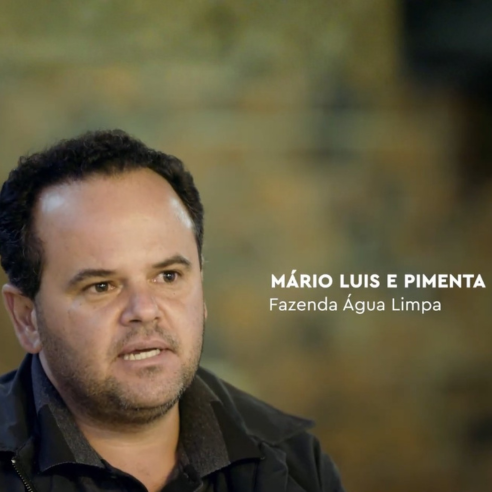
A chegada de cafeicultores do Sul de Minas ao Vale do Jequitinhonha, na década de 1970, não só fez nascer mais uma região de cafés de excelência no Brasil. Ela provocou um interessante choque de culturas que está na base da Chapada de Minas. A Fazenda Água Limpa, no município de Minas Novas, é um retrato dessa mistura dos migrantes e do povo do Vale. Formada ainda no final da década de 1990, atualmente, ela tem como sócios tanto um filho do Sul de Minas, José Jorlei do Amaral, quanto outro da cidade de Capelinha, Mário Luís Evaristo Pimenta. O pai de Jorlei foi quem adquiriu a propriedade. Hoje são cerca de 2.000 hectares, onde se produz um café de excelência, se cria oportunidade de renda para a população local e desenvolvimento para toda a região.
_____
The arrival of coffee growers from Southern Minas Gerais to the Jequitinhonha Valley in the 1970s not only gave rise to yet another region of exceptional coffees in Brazil. It also sparked an interesting cultural exchange that became part of the foundation of Chapada de Minas. Fazenda Água Limpa, located in the municipality of Minas Novas, is a portrait of this blend between migrants and the people of the Valley. Established in the late 1990s, the farm is currently owned by partners from both backgrounds: José Jorlei do Amaral, originally from Southern Minas Gerais, and Mário Luís Evaristo Pimenta, from the city of Capelinha. Jorlei’s father was the one who acquired the property. Today, the farm spans around 2,000 hectares, where exceptional coffee is produced while also creating income opportunities for the local population and fostering development throughout the entire region.